

Plann’s strength is visual social content planning, especially when you need to organize an Instagram publishing calendar. That workflow stops being enough when your main job becomes launching paid campaigns and managing advertising spend. The best Plann alternative in 2026 is Tezads if you need paid ad automation; Buffer if you need straightforward organic social publishing.
- For plann alternatives, Tezads fits paid ad automation; Buffer fits organic social publishing.
- Later is the closer match when visual content planning remains your main requirement.
- Hootsuite fits teams that need publishing, social monitoring, and inbox management together.
- Meta Ads Manager fits advertisers who want to manage Facebook and Instagram campaigns directly.
- Choose by workflow: a scheduled Instagram post is not a paid advertising campaign.
Why this matters
Searching for Plann alternatives brings together two different buying decisions: replacing an organic publishing tool and adding software to manage paid advertising. Treating those decisions as interchangeable creates the wrong shortlist. A content calendar organizes posts; an advertising platform manages campaigns that spend money.
For an e-commerce brand, the distinction is practical. Planning product posts does not handle the separate work of writing ads, launching campaigns, and reviewing advertising performance. You need to identify which job is consuming your time before replacing a tool.
For an agency, the distinction also changes the service you deliver. An organic content retainer needs publishing coordination. A paid media engagement needs campaign execution and spend management. Some agencies need both, but that does not make one platform a substitute for the other.
In 2026, choose the workflow first and the software second. Do not let a long feature list hide a mismatch with the work you actually sell or perform.
Plann alternatives at a glance
The comparison below includes Plann as the baseline. These options do not all perform the same job, and that is the most important difference between them.
| Tool | Best for | Standout workflow | How it differs from Plann |
|---|---|---|---|
| Plann | Visual organic content planning | Organizing a social publishing calendar | The baseline for a planning-led workflow |
| Tezads | E-commerce brands and agencies managing paid advertising | Writing, launching, and optimizing paid campaigns | Focuses on advertising execution rather than organic calendar planning |
| Buffer | Straightforward organic publishing | Scheduling social posts through a publishing queue | Suits a queue-led publishing workflow |
| Later | Visual social content planning | Planning and scheduling visual social content | A closer comparison when visual planning remains the priority |
| Hootsuite | Broader social operations | Publishing, social monitoring, and inbox management | Extends the comparison beyond content planning |
| Meta Ads Manager | Direct Facebook and Instagram ad management | Creating and managing campaigns inside Meta’s advertising system | Handles paid campaign controls rather than an organic publishing calendar |
Use this table to eliminate the wrong category before comparing individual features. If you want to replace your Instagram planning workflow, start with the publishing tools. If you want software to create and manage Meta ads, start with the advertising options.
1. Tezads: best for paid ad automation
Tezads is a paid ad automation platform for e-commerce brands and the agencies managing their advertising accounts. Its stated scope covers writing, launching, and optimizing campaigns across Meta, Instagram, Google, TikTok, YouTube, and X. That makes it a different buying decision from replacing a visual social calendar.
For a brand, the relevant workflow is moving from an advertising brief to campaign execution. For an agency, it is handling that advertising work on behalf of clients. Neither audience should choose it simply because they want a different way to arrange organic Instagram posts.
Where it shines
- Paid campaign execution: Campaign writing, launch, and optimization belong to the platform’s stated scope.
- Cross-channel advertising: The stated scope includes 6 named advertising channels, rather than only an organic publishing workflow.
- Audience fit: Both e-commerce brands and marketing agencies are explicitly part of the intended customer base.
Where it falls short
- Replacement fit: Paid ad automation is not a like-for-like replacement for Plann’s visual organic planning workflow.
- Buying complexity: An agency still needs to evaluate its client-account, approval, and reporting requirements before choosing an advertising platform.
- Workflow separation: If organic publishing remains part of your work, evaluate that requirement separately rather than treating campaign automation as its substitute.
| Dimension | Tezads | Plann |
|---|---|---|
| Core job | Paid campaign creation, launch, and optimization | Visual social content planning |
| Buyer focus | E-commerce brands and agencies managing ads | Users organizing organic social content |
| Main decision | How to execute advertising work | How to organize publishing work |
Best for: E-commerce teams and agencies seeking paid ad automation, not just a replacement content calendar.
Ask to see the exact Meta advertising workflow you intend to use in 2026. Separate what is available in the product today from anything described as planned; a roadmap item does not satisfy a current requirement.
Verdict: Buy for paid ad automation; skip as a direct organic-calendar replacement.
2. Buffer: best for straightforward organic publishing
Buffer is a social publishing tool built around scheduling posts. It belongs on your shortlist when your main requirement is getting approved content into a publishing queue, rather than expanding into advertising execution.
For an e-commerce brand, that means organizing routine organic posts without confusing them with paid campaigns. For an agency, the buying question is whether the publishing workflow matches the way your team prepares and hands off client content.
Where Buffer shines
- Publishing focus: Scheduling is central to the workflow.
- Clear category fit: Buffer addresses the organic publishing side of a Plann replacement decision.
- Queue-led work: It suits teams that think in terms of upcoming posts rather than campaign budgets.
Where Buffer falls short
- Paid media mismatch: Organic publishing is not a substitute for creating and optimizing advertising campaigns.
- Visual workflow fit: A publishing queue is not the same buying priority as a visual-first planning experience.
- Agency requirements: Your approval and account-management process still needs its own evaluation.
| Dimension | Buffer | Plann |
|---|---|---|
| Core emphasis | Social publishing and scheduling | Visual social planning |
| Planning lens | Upcoming publishing queue | Visual content calendar |
| Suitable comparison | Organic publishing workflow | Organic planning workflow |
Best for: Brands and agencies whose main need is scheduling organic social posts.
Verdict: Buy for queue-led publishing; skip if paid advertising is the missing workflow.
3. Later: best for visual content planning
Later is a social content planning and scheduling platform with a visual planning focus. It is a closer category match to Plann than a paid advertising platform because the core comparison remains about organizing and publishing social content.
For a brand, compare how you prepare a sequence of product posts. For an agency, compare how a client’s content moves from planning to publication. Use the same content brief in both evaluations so you are comparing the workflow, not the presentation of a demo.
Where Later shines
- Visual planning: Its emphasis matches a visually organized content workflow.
- Organic publishing: Planning and scheduling belong to the same operational category as Plann.
Where Later falls short
- Advertising fit: A visual publishing workflow does not replace paid campaign management.
- Switching justification: Moving between similar tool categories needs a specific workflow improvement, not just a preference for a different interface.
| Dimension | Later | Plann |
|---|---|---|
| Main emphasis | Visual content planning and scheduling | Visual social content planning |
| Buying question | Does the planning workflow fit your team? | Does the existing planning workflow fit your team? |
| Paid media decision | Evaluate separately | Evaluate separately |
Best for: Brands and agencies keeping visual organic content planning at the center of their work.
Verdict: Buy when the planning workflow fits better; hold if Plann already handles it.
4. Hootsuite: best for broader social operations
Hootsuite combines social publishing with monitoring and inbox management. That makes it relevant when the job extends beyond preparing posts to handling the activity around your social accounts.
For brands, evaluate the connection between publishing and responding to audiences. For agencies, evaluate whether those responsibilities belong inside the service you provide. Broader scope only helps when your team actually owns that work.
Where Hootsuite shines
- Operational breadth: Publishing, monitoring, and inbox management address different parts of social operations.
- Broader evaluation: It gives you a comparison beyond visual calendar planning alone.
Where Hootsuite falls short
- Scope fit: A broader social operations tool is a different purchase from a focused visual planner.
- Advertising decision: Do not infer your required paid campaign workflow from its organic publishing capabilities.
Best for: Brands and agencies managing publishing alongside monitoring and social conversations.
For a more focused shortlist, use the Hootsuite alternatives guide to compare that category separately.
Verdict: Buy for broader social operations; skip if scheduling is your only requirement.
5. Meta Ads Manager: best for direct Meta campaign management
Meta Ads Manager is Meta’s native environment for creating and managing advertising campaigns on Facebook and Instagram. It is an alternative to adding an advertising automation layer, not a direct replacement for Plann’s organic content calendar.
A brand should evaluate the campaign work its own team will perform. An agency should evaluate that same work across its client responsibilities, including who makes changes and who approves them.
Where Meta Ads Manager shines
- Native campaign controls: You work directly inside Meta’s advertising system.
- Relevant channel focus: Facebook and Instagram advertising are the central use case.
Where Meta Ads Manager falls short
- Channel boundary: It does not serve as the native campaign manager for Google, TikTok, or X.
- Organic planning mismatch: Campaign management does not replace a visual social publishing calendar.
Best for: Advertisers who want to manage Facebook and Instagram campaigns directly.
Verdict: Buy into the native workflow when direct control is your priority; skip as an organic planning replacement.
Why people switch from Plann
The reasons below are workflow-based reasons to consider switching, not claims about customer behavior, outages, or changes to Plann’s terms. Each one produces a different shortlist.
- Publishing queue: You want to organize upcoming organic posts around a scheduling workflow. Compare Buffer.
- Visual planning: You still need visual content planning, but want to evaluate another approach. Compare Later.
- Social operations: Your responsibilities include monitoring and responding, not just planning posts. Compare Hootsuite.
- Paid campaigns: You need to write, launch, and optimize advertising. Compare an automation platform with the native advertising workflow.
The wrong reason is simply wanting “more automation.” That phrase does not identify the work. Specify whether you want help preparing organic posts, executing paid campaigns, or handling conversations around published content.
For a 2026 evaluation, write down the task your existing setup fails to handle. Then ask each vendor to demonstrate that task with your own brief. Do not accept a neighboring feature as an answer.
How to evaluate a replacement without confusing the categories
Use 1 ad account as the starting point for a paid-media evaluation. Keep the exercise narrow enough that you can inspect the process, not just the final screen. An organic publishing evaluation should use a content brief instead.
Give brands and agencies equal scrutiny, but different examples. A brand should use its own product campaign or publishing plan. An agency should use a representative client brief and include the handoff between the person preparing work and the person approving it.
- Define the job: State whether the task is publishing or advertising.
- Run the workflow: Ask for the actual preparation-to-execution process.
- Check approvals: Identify who reviews work before publication or launch.
- Confirm live scope: Separate available features from planned additions.
- Review the result: Judge whether the completed task meets your requirements.
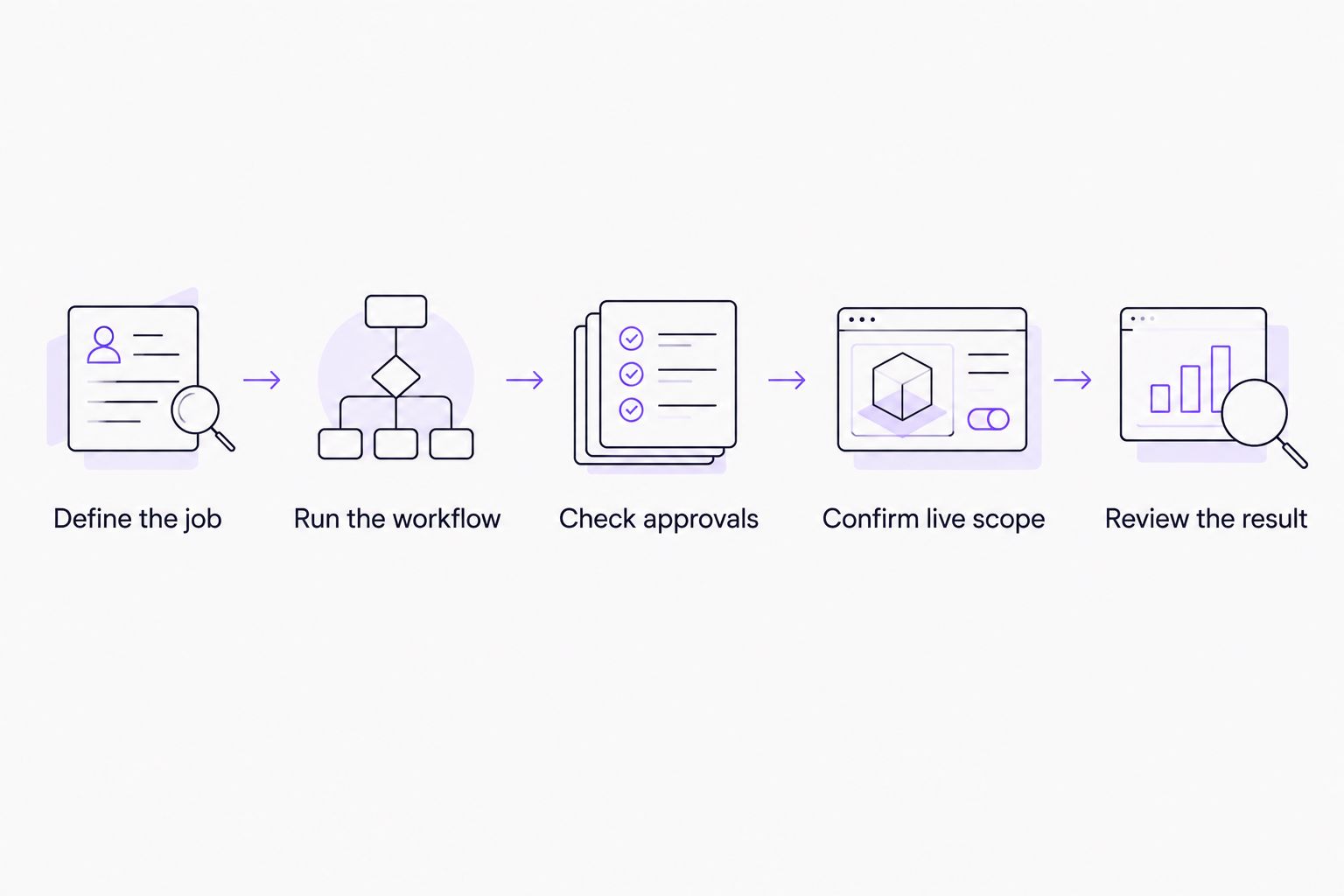
Apply 3 checks before making the decision: workflow fit, approval fit, and current feature availability. These are buying criteria, not performance promises. A successful demonstration shows you what the software does; it does not establish a future sales or ROAS result.
When staying with Plann is the right call
Stay with Plann when visual organic planning remains the job and the existing workflow meets your requirements. A different tool needs to solve a specific problem to justify a change. Switching for a broader feature list alone does not establish that benefit.
Keep the organic and paid decisions separate in 2026. You can retain a content planning workflow while evaluating advertising software for a different responsibility. Replacing everything at once is not a requirement of adding paid campaign automation.
FAQ
What's the best Plann alternative in 2026?
Tezads is the best fit for paid ad automation; Buffer is the better category match for straightforward organic publishing. Later belongs on the shortlist when visual content planning remains your main requirement.
Is Buffer a direct alternative to Plann?
Buffer is an organic publishing alternative to Plann. Compare its scheduling workflow with your existing visual planning process rather than treating it as paid advertising software.
Is Later or Plann better for visual planning?
Both Later and Plann belong in a visual content planning comparison. Use the same content brief to decide which workflow fits your brand or agency; there is no universal winner for every team.
Can an organic scheduling tool replace Meta Ads Manager?
Organic scheduling is not a replacement for Meta Ads Manager's paid campaign workflow. Publishing a post and creating an advertising campaign are different tasks.
Which Plann alternative should an e-commerce brand choose?
An e-commerce brand should choose by the missing workflow. Compare Buffer or Later for organic publishing, and compare advertising automation with Meta Ads Manager for paid campaign execution.
Which Plann alternative should a marketing agency evaluate?
An agency should evaluate the tools that match its client service. Publishing retainers need content workflows; paid media engagements need campaign workflows, approvals, and account-management scrutiny.
Should I choose a tool because a feature is on its roadmap?
Choose based on features available when you need them. A planned integration or workflow does not satisfy a current requirement, so keep roadmap items separate from the purchase decision.
One last thing
An Instagram post and an Instagram ad can use the same creative while requiring different software workflows. Start your 2026 shortlist with that distinction. If publishing is the problem, compare planners; if campaign execution is the problem, compare advertising platforms.


