
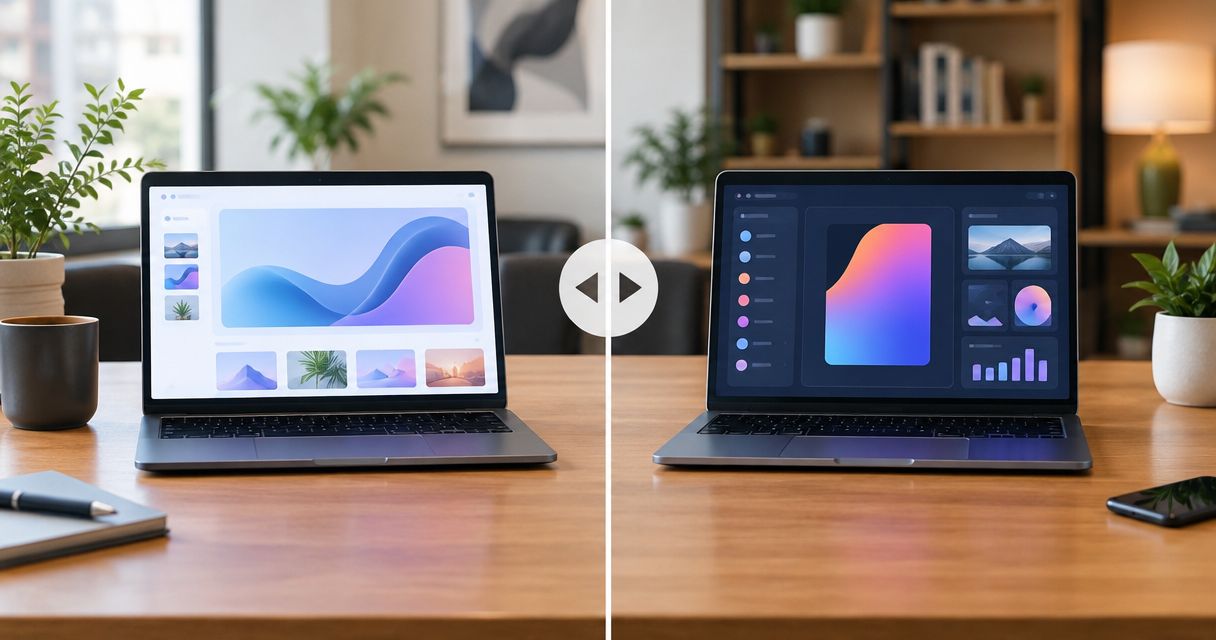
Choose TezAds if you need software to write, launch, and optimize paid advertising campaigns; choose Preview App if you need to plan how your Instagram feed looks before publishing. In 2026, the deciding question is whether you are buying an ad-management workflow or an organic-content planning workflow.
- TezAds vs Preview App is a paid-ad automation versus Instagram planning decision, not a like-for-like feature contest.
- Choose TezAds for paid campaign creation, launch, and optimization for e-commerce brands and their agencies.
- Choose Preview App when Instagram feed planning is the job you need to finish.
- Judge paid advertising by business results; judge a content planner by whether it improves your publishing workflow.
Why this matters
A better-looking Instagram grid is not the same purchase as a better-managed advertising campaign. Both involve creative work, but they solve different operational problems. Buying one to replace the other leaves the original job unfinished.
For an e-commerce founder, the distinction is between organizing the public-facing feed and managing campaigns that spend money to reach potential customers. For an agency, it is between delivering an editorial plan and running a client's paid acquisition work. These responsibilities can sit on the same team without belonging in the same application.
This 2026 comparison follows those workflows rather than treating every marketing feature as interchangeable. Start with the task you need to complete, then check the controls and terms that affect that task.
At a glance
| Dimension | TezAds | Preview App |
|---|---|---|
| Best for | E-commerce brands and agencies managing paid campaigns | Instagram creators, brands, and social teams planning their feed |
| Creative workflow | Writing advertising campaigns | Planning the arrangement of Instagram content |
| Paid launch and optimization | Campaign creation, launch, and optimization | Choose for feed planning, not as a substitute for paid campaign management |
| Organic feed planning | Choose for advertising operations, not grid arrangement | Visual Instagram feed planning |
| Agency fit | Paid-ad work for client accounts | Instagram content-planning work; assess team requirements separately |
| Channel scope | Meta, Instagram, Google, TikTok, YouTube, and X advertising | Instagram feed planning is the relevant comparison here |
| Success criteria | Campaign results and the work required to manage them | Publishing readiness and the work required to organize content |
| Pricing model | Check current software billing terms; account for advertising spend separately | Check current software billing terms against your content-planning needs |
| Standout feature | Writing, launching, and optimizing paid campaigns within one platform | Previewing the arrangement of Instagram content |
TezAds wins for creating campaigns, not arranging a feed
TezAds is the paid-ad automation choice for e-commerce brands and agencies that need campaign creation, launch, and optimization. That is a different job from deciding which Instagram post should appear next to another.
For a store owner, campaign creation begins with a commercial brief: the product, buyer, offer, and desired action. For an agency, the brief also needs the client's approved claims and restrictions. Advertising copy has to serve that brief, not simply match the neighboring posts.
Preview App wins when the creative decision is editorial: arranging Instagram content so you can assess the feed before publishing. That is useful work, but visual arrangement does not establish whether an advertising message is persuasive.
The limitation runs both ways. Paid-ad automation does not remove your responsibility to approve product claims, and an attractive feed does not validate an ad concept. If copy creation is your main bottleneck, compare the workflow in the guide to AI ad copywriting tools before treating a feed planner as an alternative.
The paid-ad platform wins for launch and optimization
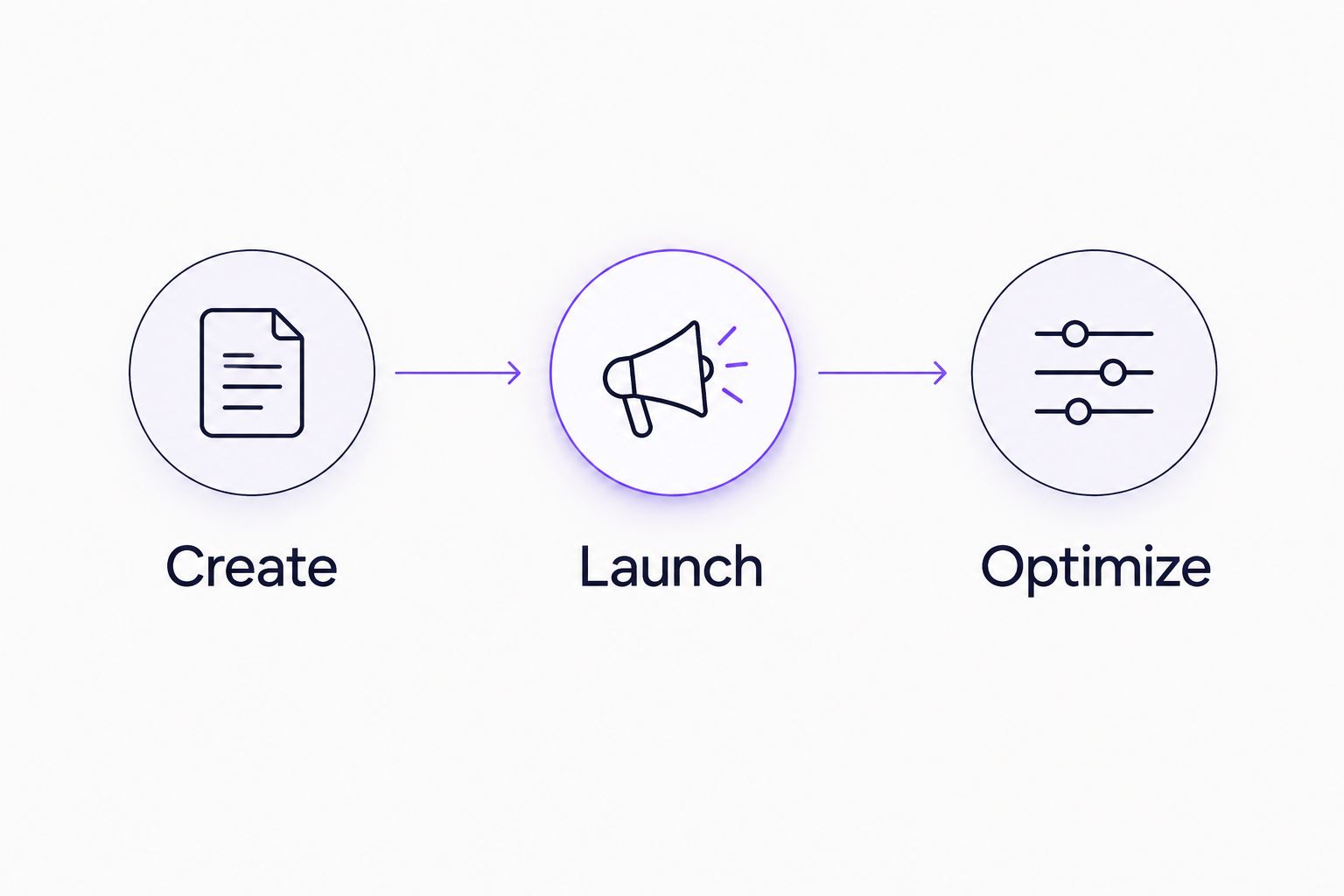
A paid campaign has 3 operational stages: creation, launch, and optimization. The distinction matters because generating copy finishes only the first stage. Someone still has to get the campaign into the advertising system and manage its performance.
For an e-commerce brand, assess those stages against an actual product campaign. For an agency, assess them against a client account with its own objectives and approval requirements. A demonstration using generic creative does not answer whether the workflow fits your work.
Use this sequence when evaluating an ad-management platform:
- Create: Turn an approved commercial brief into campaign material.
- Launch: Review the destination, audience, objective, and spending settings before activation.
- Optimize: Assess results against the campaign's objective and review proposed changes.
The platform's core offer covers these stages. Your evaluation should establish how each stage operates for the account you intend to manage, including what you review before anything changes.
Preview App is the wrong replacement when your unmet need is paid campaign execution. Use it to evaluate an Instagram content plan, not to infer that an advertising workflow is covered.
Preview App wins for Instagram feed planning
Preview App is the better fit when the deliverable is a planned Instagram feed. Its visual planning purpose directly matches the question: what will this collection of posts look like together?
For an e-commerce brand, that question can involve balancing product imagery, educational posts, and brand content. For an agency, it can involve presenting an editorial direction to a client before the content goes live. In either case, the arrangement itself is part of the deliverable.
A feed planner also has a clear limit: it helps you make an editorial decision. It does not turn that decision into evidence about sales, acquisition costs, or paid campaign effectiveness.
When evaluating Preview App in 2026, use your real content rather than judging an empty workspace. Check whether the planning process makes it easier to spot repetitive imagery, awkward sequencing, or gaps in the proposed feed. Then separately confirm the publishing and collaboration functions your team requires.
Do not buy an ad-management platform to solve a layout problem. Equally, do not buy a layout tool because your ads need better targeting, campaign execution, or ongoing optimization.
Both require an agency workflow check
Agency suitability is a workflow question, not a label on a landing page. A product can fit the underlying task while still requiring checks around access, approvals, and responsibility.
There are 2 buyer profiles in this comparison: an e-commerce brand managing its own work and an agency managing work for clients. Give both a real evaluation, because their handoffs differ.
For an e-commerce brand, check:
- Who supplies the product information and approved claims?
- Who approves creative and campaign settings?
- Who reviews results and decides what changes next?
For an agency, check:
- How will each client's work stay clearly separated?
- Who can approve content or spending decisions?
- What must the client see before work is published or activated?
- Can the account owner inspect the work without depending on an informal explanation?
The paid-ad option matches campaign-management work; Preview App matches Instagram planning work. Neither category fit establishes specific permissions, white-label functions, or approval controls. Evaluate those requirements directly rather than treating them as included because a tool serves marketers.
The paid-ad platform wins for broader advertising scope
The ad platform covers 6 named advertising channels: Meta, Instagram, Google, TikTok, YouTube, and X. That makes its scope relevant when your buying problem extends beyond planning Instagram content.
For an e-commerce brand, the question is whether the platform fits the channels you actually intend to advertise on. A broad channel list is not a reason to open campaigns everywhere. Keep the evaluation tied to the channels in your current acquisition plan.
For an agency, broader scope matters when client work spans different advertising systems. Assess the actual campaign tasks on each required channel rather than assuming identical functions across every integration.
Preview App remains the more focused choice for the Instagram feed-planning problem. Its advantage is alignment with that editorial task, not a claim to replace cross-channel advertising operations.
In your 2026 evaluation, separate an available workflow from a promised one. Ask to see the required campaign or planning task completed in the current product. A roadmap commitment is not an operational capability, and a channel name alone does not establish support for every format, objective, or control.
Both need success criteria outside the interface
Neither a generated campaign nor a neatly arranged feed is the final business result. The output must support the reason you commissioned the work.
For paid advertising, define the campaign objective before reviewing performance. If the objective is sales, inspect sales-related outcomes and spending together. Do not judge the campaign solely by whether the creative looks polished or whether the software completed a task.
For organic planning, define what a usable editorial plan means. That might include an approved sequence, a balanced content mix, and a clear handoff to the person responsible for publishing. Those are workflow criteria, not promises that a particular arrangement will produce revenue.
Agencies should agree on these criteria with the client before choosing software. E-commerce teams should agree internally before assigning responsibility. Both options need a clear brief; neither should be credited with an outcome merely because it produced an output.
Pricing: separate software billing from advertising spend
For a 2026 purchase, inspect each product's current billing terms rather than comparing remembered prices. Check the billing period, included scope, renewal terms, cancellation conditions, and any limits relevant to your work.
An advertising platform also belongs in a wider budget decision. Software billing and advertising spend are separate cost categories; evaluate them separately rather than treating a tool subscription as the campaign budget.
For a brand, compare the cost of the software with the specific work you expect it to replace or simplify. For an agency, check whether the billing basis fits how you manage client work, and clarify who pays each charge.
Predictability comes from terms you can understand and usage you can forecast. Flexibility comes from terms that fit changing requirements. Choose the billing arrangement that fits your workload, not the cheapest-looking entry point. Preview App and the paid-ad platform solve different jobs, so a fee comparison alone cannot establish which is better value.
The standout feature follows the job
The paid-ad platform's standout capability is the connection between campaign writing, launch, and optimization. Preview App's standout capability is visual Instagram feed planning. Those strengths point to different purchases.
For an e-commerce founder, ask what is blocking the next useful piece of work. If the blockage is campaign execution, prioritize the ad workflow. If it is an unresolved Instagram content sequence, prioritize the planner.
For an agency lead, ask what the client is paying you to deliver. A paid acquisition engagement needs campaign operations; an editorial planning engagement needs a usable content plan. A tool suited to one does not become suitable for the other because both teams use Instagram.
Final verdict: choose by the work you own
Choose TezAds if you own paid acquisition
Best for: e-commerce growth leads and agencies managing paid campaigns. Choose the advertising platform when you need campaign writing, launch, and optimization, and assess its current controls against your actual account requirements.
Its scope is a strength for paid work. That scope is not a reason to expect an Instagram grid-planning workflow or to skip human review of campaign claims and settings.
Choose Preview App if you own Instagram editorial planning
Best for: brand social leads and agencies delivering Instagram content plans. Choose Preview App when arranging and assessing the feed is the work you need to finish.
Its focus matches that task. Do not treat the planned feed as a substitute for paid campaign execution or as proof that an advertisement will convert.
| Dimension | Winner |
|---|---|
| Best for paid acquisition | Paid-ad platform |
| Campaign creation | Paid-ad platform |
| Paid launch and optimization | Paid-ad platform |
| Organic feed planning | Preview App |
| Agency fit | Tie: evaluate the relevant client workflow |
| Broader advertising scope | Paid-ad platform |
| Success criteria | Tie: define outcomes before evaluation |
| Pricing model | No winner without checking current terms |
| Standout feature | Paid-ad platform for campaigns; Preview App for feed planning |
FAQ
Is TezAds better than Preview App for Meta ads?
TezAds is the better fit for creating, launching, and optimizing paid Meta campaigns. Preview App is the better fit for planning the appearance of an Instagram feed.
What's the best choice for planning my Instagram grid?
Preview App is the better fit for Instagram grid planning. Choose a visual content-planning workflow when arranging posts is the task you need to complete.
Can an Instagram feed planner replace paid-ad management software?
An Instagram feed planner is not a substitute for paid campaign management. Planning post arrangements and managing campaign launch, spending, and optimization are different jobs.
Which option should an e-commerce brand choose?
An e-commerce brand should choose the paid-ad platform for campaign operations and Preview App for Instagram feed planning. Start with the unfinished task rather than buying a tool because both options involve marketing content.
Which option should a marketing agency choose?
A marketing agency should choose according to its client deliverable: paid campaigns or Instagram content plans. Check access, approvals, account separation, and handoffs against the current product before committing.
How should I compare the cost of these tools?
Compare current billing terms against the work each tool will perform. For an advertising platform, account for software billing and advertising spend separately.
Should planned features influence my software choice in 2026?
Base a 2026 purchase on the workflows available when you evaluate the product. Treat roadmap features as future possibilities, not capabilities you can use to complete today's work.
One last thing
An organic post and a paid advertisement can use the same image while needing different decisions. The feed question is whether the image belongs in the editorial sequence; the ad question is whether the message serves the campaign objective.
Before you book a demonstration, write down the unfinished task. Ask the vendor to complete that task with your own brief. A real workflow is a better buying test than a long feature list.


